
Attic
How to Insulate Your Attic for Canadian Winters
A practical breakdown of blown-in cellulose, fibreglass batts, and rigid foam — with R-value targets and air-sealing steps suited to Climate Zone 6 and above.
Read more →A reference covering insulation materials, vapour barriers, and weatherproofing approaches for homes in Canada's harshest winter climates — from the Prairies to Northern Ontario.
A practical breakdown of blown-in cellulose, fibreglass batts, and rigid foam — with R-value targets and air-sealing steps suited to Climate Zone 6 and above.
Read more →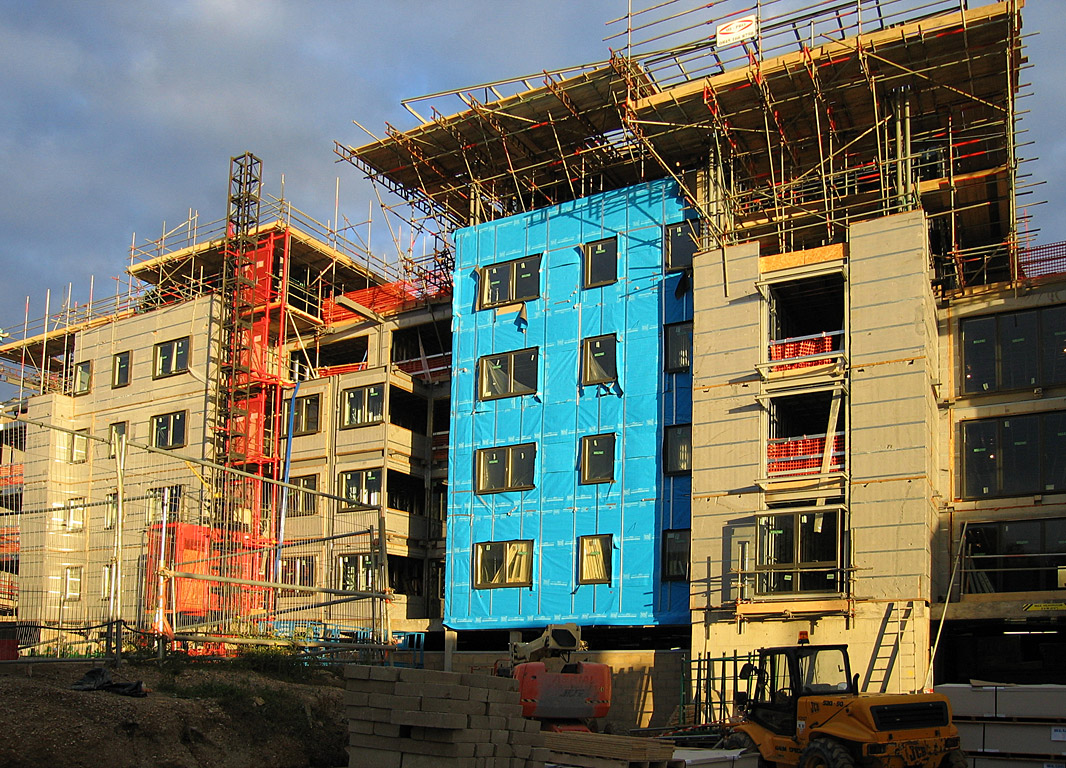
Why vapour control is not the same as air control, where to place the barrier in a Canadian wall assembly, and common installation mistakes that lead to moisture damage.
Read more →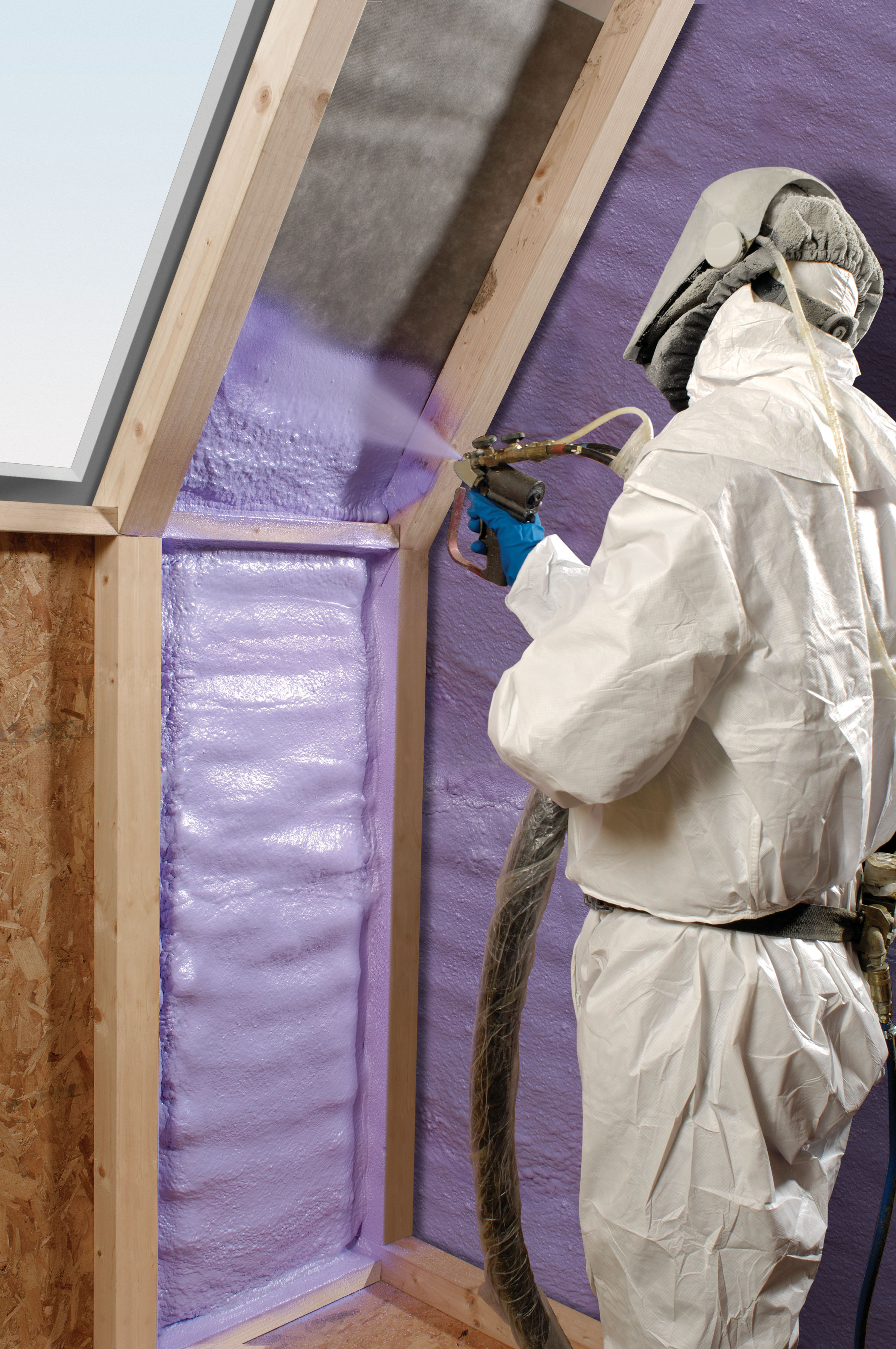
A step-by-step look at foam backer rod, compression weatherstripping, low-expansion spray foam at rough openings, and the role of proper flashing in keeping cold air out.
Read more →In a typical Canadian home, the attic is the single largest source of heat loss in winter. Bringing attic insulation up to current National Energy Code levels — R-50 or higher in Climate Zone 7 — reduces heating demand significantly, lowers energy bills, and prevents the ice-dam cycles that damage roofing materials year after year.
Read the Attic GuideFibreglass batts, mineral wool, blown-in cellulose, rigid EPS and XPS foam — how each performs in cold climates and where each is best applied in a Canadian home.
The difference between vapour retarders and air barriers, placement within wall assemblies, and how the 1985 National Building Code of Canada changed practice.
Window and door sealing, spray foam at rough openings, sill gaskets, and foundation sill plate insulation — closing the gaps that matter most.
Research from the Building Science Corporation established that the vast majority of moisture damage in wall assemblies is carried by air infiltration, not by vapour diffusion. A continuous air barrier dramatically reduces condensation risk inside wall cavities during Canadian winters — a fact that reshaped how the National Building Code addresses building envelopes.
Read the Vapour Barrier ArticleCanada's National Energy Code for Buildings divides the country into eight climate zones. Zone 4 includes southern British Columbia; Zone 8 covers the territories. The recommended attic insulation levels range from R-38 in Zone 4 to R-60+ in Zones 7 and 8. Walls typically need R-22 to R-35 continuous, depending on zone and assembly type. Natural Resources Canada maintains the most current guidance through its EnerGuide for Houses program.
Questions about insulation specifics, vapour barrier placement, or weatherproofing for a particular region of Canada? Use the form and we'll respond within two business days.