Where Air Enters Around Windows and Doors
There are three distinct zones where air infiltration occurs at a window or door unit. The first is at the operable sash or door slab itself — the joint between the moving part and the frame. The second is between the window or door frame and the rough opening framing in the wall. The third is at the interface between the exterior casing or flashing and the wall surface. Each zone requires a different approach.
A lit incense stick or a piece of tissue held near the interior perimeter of a window on a cold, windy day will often reveal which zone is leaking. Air movement that appears at the sash-to-frame joint is a weatherstripping problem. Air that comes through the interior drywall return or casing is typically from the rough opening gap. Exterior draughts detected at the casing-to-siding joint usually indicate failed exterior sealant or flashing.
Weatherstripping the Sash and Door Slab
Weatherstripping degrades over time from UV exposure, compression set, and temperature cycling. In Canadian climates, where temperatures swing from +35°C in summer to -35°C in winter, synthetic rubber and foam weatherstripping typically needs replacement every 7–10 years. The main types used in Canadian residential construction are:
- Compression strips (EPDM or silicone bulb): The most effective for door heads and sills, and for fixed window sashes. They compress when the door or sash closes and spring back to fill the gap. Silicone holds up better than EPDM at extreme cold.
- Pile (wiper) strips: Used in double-hung window channels and sliding doors. Less airtight than compression strips but acceptable where compression types don't fit the geometry.
- Door sweeps and automatic door bottoms: The bottom of a door is often the largest single air leak in a house. A surface-mounted door sweep (aluminium with rubber blade) is a basic fix; an automatic door bottom (which lifts as the door opens and drops as it closes) eliminates the floor wear and provides better sealing.
When installing compression weatherstripping on a door frame, the goal is to create even contact around the entire perimeter when the door closes. Test with a strip of paper: you should feel slight resistance when pulling it out from the closed door at any point around the frame. If the paper slides freely, the compression strip is either worn, too thin for the current gap, or the door has sagged and needs adjustment.

Sealing the Rough Opening Gap
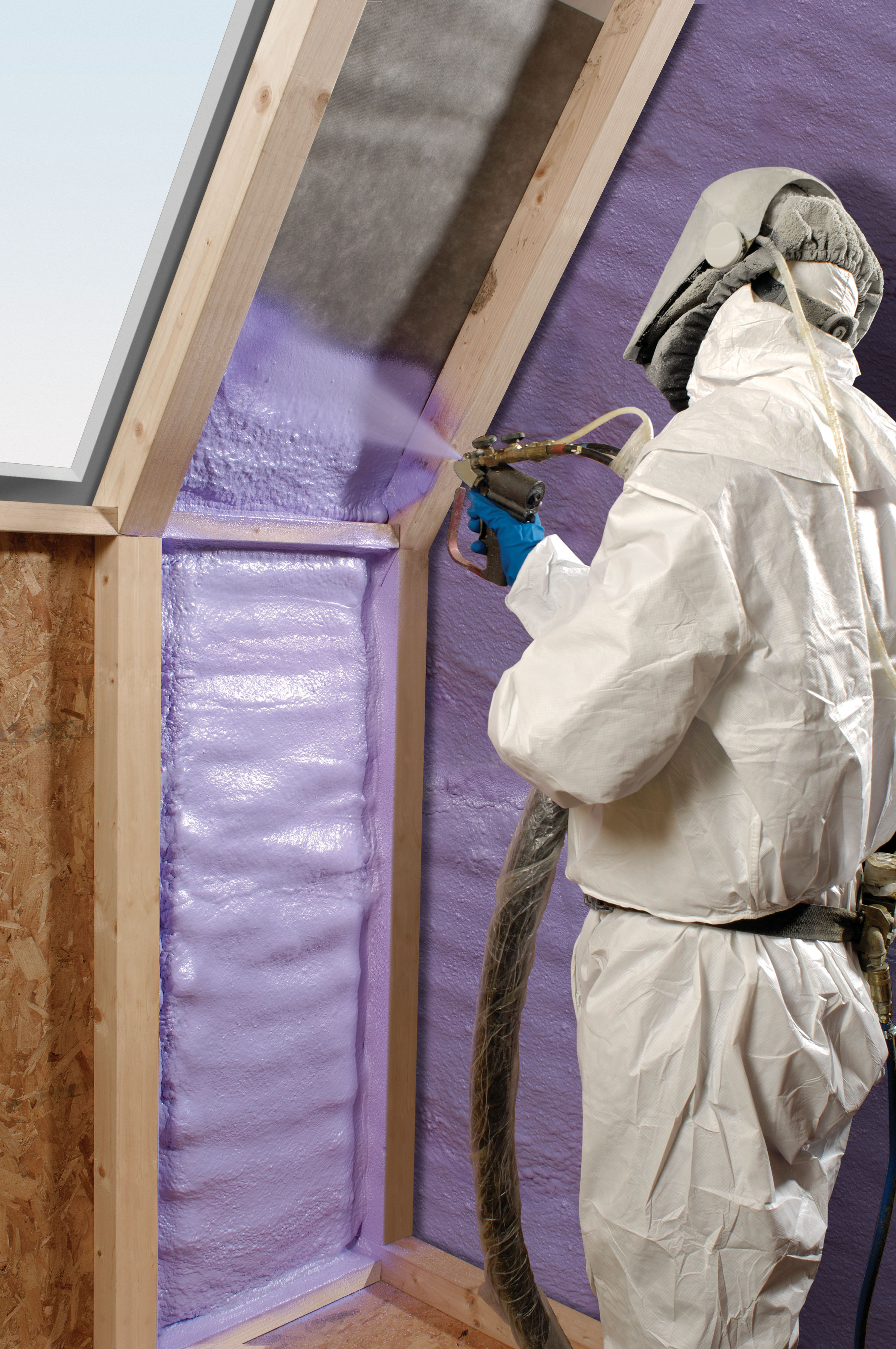
During window or door installation, a gap is left between the frame and the rough opening framing. This gap is typically ½ inch to 1 inch wide and runs the full perimeter of the unit. It needs both insulation and air sealing. The standard approach is low-expansion spray foam (sometimes labelled "window and door foam" or "minimal expanding foam"), which fills the void without exerting the pressure that high-expansion foam can — high-expansion foam in a narrow rough opening can bow the frame and prevent the window from operating correctly.
Before foaming, inspect the gap. If it is wider than about 1 inch, use foam backer rod first — a closed-cell polyethylene foam rope that fills the bulk of the void — and then apply a thin bead of spray foam or acoustical sealant over it. This reduces foam use and provides a more consistent seal. In renovations where the interior casing has been removed, the gap can also be stuffed with mineral wool strips and then sealed at the perimeter with acoustical sealant.
The interior side of the rough opening should also be sealed at the junction of the window frame to the drywall return. A continuous bead of acoustical sealant under the interior trim (applied before it is nailed in place) is the most effective method. In older homes where this was never done, running a bead of paintable acrylic latex caulk along the interior trim-to-drywall joint is a straightforward improvement.
Exterior Caulking and Flashing
The exterior perimeter of a window or door is sealed against water entry by a combination of flashing (usually a self-adhesive flexible membrane or metal) and sealant. Sealant fails before flashing in most cases: it dries out, pulls away from one substrate, or cracks from the cumulative freeze-thaw cycles of a Canadian winter.
For exterior caulking applications, the appropriate product depends on the joint. At the interface between a vinyl or aluminium window frame and wood or composite siding, a paintable polyurethane caulk performs well in cold climates and maintains adhesion through temperature extremes better than latex. Silicone caulk is non-paintable but exceptionally durable and is appropriate where aesthetics allow. Do not use interior-grade acrylic latex on exterior joints — it breaks down rapidly with UV and moisture exposure.
Flashing at windows in a proper installation runs as follows: sill flashing at the bottom first, then side pan flashing that overlaps the sill, then the window unit installed, then head flashing that laps over the top of the frame and integrates with the house wrap or drainage plane above. In a renovation where the window is being replaced in an existing wall, at minimum the head flashing should be confirmed as intact. Missing or failed head flashing allows water to run behind the siding and accumulate on the window frame and rough sill, leading to rot and air leakage that worsens over time.
Thermally Broken Frames. Air sealing addresses infiltration, but window frames themselves conduct heat. Aluminium frames without a thermal break lose heat far faster than vinyl or fibreglass frames. In Climate Zone 6 and colder, Natural Resources Canada recommends windows with an Energy Rating (ER) of at least 25, with higher values preferred. Low-emissivity coatings and argon fill provide the bulk of the glazing performance; thermally broken or non-metallic frames address the edge and frame conduction.
Sill Plate Insulation at the Foundation
The sill plate — the horizontal lumber that sits on top of the foundation wall — is a persistent cold-air entry point in older Canadian homes. The joint between the concrete foundation and the wood sill was rarely sealed in pre-1980 construction, and the wood often shrank over decades to create gaps. A sill gasket (a strip of closed-cell foam installed under the sill plate during construction) was not standard practice until relatively recently. In existing homes, the gap at the interior rim joist area can be addressed by cutting rigid foam blocks to fit between the floor joists at the perimeter and sealing their edges with spray foam or acoustical sealant. This simultaneously addresses air infiltration and thermal bridging through the rim joist, which is otherwise fully exposed to exterior temperatures.
Checking Your Work
A blower-door test conducted by a certified energy advisor is the definitive way to measure air infiltration before and after weatherproofing work. The test depressurises the house to a standard pressure differential and measures the air flow required to maintain that pressure — a direct measure of how leaky the building envelope is, expressed in air changes per hour (ACH) at 50 Pascals. A typical pre-1980 Canadian house tests at 6–10 ACH50; current code in most provinces targets below 2.5 ACH50 for new construction; passive house standard is 0.6 ACH50 or below.
For homeowners not arranging a formal test, the simplest self-check is to walk through the house on a cold, windy day after completing weatherproofing and hold the back of your hand near every window and door perimeter. Remaining cold spots suggest gaps that the initial work missed. A follow-up with more foam or sealant at those locations often makes a noticeable difference.